

🇪🇸Barcelona Travel Guide 2026: A Three-Day Plan and the Gaudí Tickets to Book First
Gaudí's city, day by day: the three tickets you have to reserve in advance, which one gets more expensive the longer you wait, where to stay, how to get in from the airport, and the one thing Barcelona genuinely requires you to watch out for.
2026-08-23
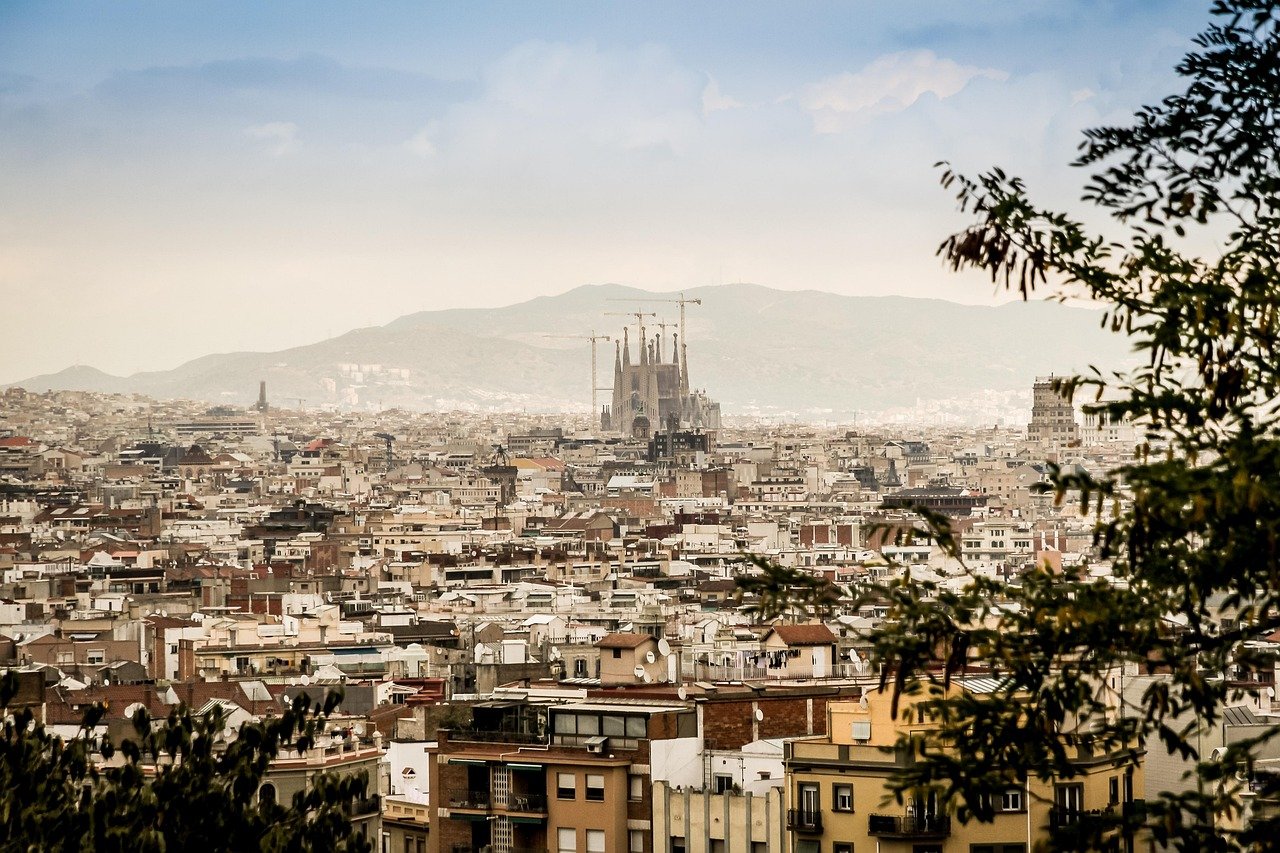
Barcelona is Spain's second city and the capital of Catalonia. What makes it unusual for a visitor is how much of its appeal rests on one person: Antoni Gaudí.
How many days
Three is the right length: one for Gaudí, one for the old city and the beach, one for Montjuïc or a trip out of town. With only two days, drop the third and fold Park Güell into the first afternoon.
Three tickets to book before you fly
Without these three reserved in advance the plan falls apart.1. The Sagrada Família — timed entry on the official site, from €26, or €36 with a tower. In high season the good slots go one to two weeks out.
2. Casa Batlló — dynamic pricing, so it gets more expensive the later you book, from €29. That's the opposite of most sights: once your date is fixed, buy.
3. Park Güell — the paid zone is also timed and capped, from €10. The free areas need no ticket, but Gaudí's mosaic benches are all inside the paid zone.
Gaudí attraction tickets
GetYourGuide · from from €26
A fallback when the official sites are sold out. For plain entry tickets each attraction's own site is cheaper — no booking fee
This is an affiliate link — we may earn a commission at no extra cost to you.
Day 1 — Gaudí
Morning — the Sagrada Família. Take the earliest slot. If you'd rather see the warm-toned stained glass, book a late afternoon slot instead and shuffle the day around.
Midday — Passeig de Gràcia. Walk or take one metro stop from the basilica. Casa Batlló and Casa Milà are 500 metres apart and doing both properly is a squeeze — if time is tight, pick one: Batlló for the interior, Milà for the roof.
Afternoon — Park Güell. Up the hill, big views, timed entry to the paid zone.
Day 2 — The old city and the sea
Morning — the Gothic Quarter. Medieval lanes with the cathedral and Plaça del Rei at the centre. The alleys are dense and this is one of the highest-theft areas in the city — wear your bag on the front.
Midday — La Boqueria market, just off La Rambla. The stalls nearest the Rambla entrance charge tourist prices; walk deeper in and it normalises.
Afternoon — El Born. The Palau de la Música Catalana and the Picasso Museum are both here, and it's noticeably calmer than the Gothic Quarter.
Evening — Barceloneta beach. Walk the seafront into the sunset.
Day 3 — Montjuïc, or out of town
Montjuïc: take the cable car up. The Fundació Joan Miró, the Olympic stadium and the Museu Nacional d'Art de Catalunya (MNAC) are all on the hill. The steps in front of MNAC are the city's best panoramic viewpoint.
Or head out: Montserrat, the monastery in the mountains, is about ninety minutes by train and cable car, and worth it for the landscape alone.
Where to stay
The Eixample is the safest bet, and Gràcia suits a longer stay. Directly on La Rambla and the southern end of El Raval are not recommended.
Hotels in central Barcelona
Booking · from from €120
Aim for the Eixample with a metro stop within five minutes
This is an affiliate link — we may earn a commission at no extra cost to you.
Getting around
From the airport: the Aerobús at €7.75 is the least hassle; the R2 Nord train at €4.60 is cheapest but only stops at T2. Ordinary metro tickets and the T-casual are not valid on the airport metro line — you need the dedicated €5.90 airport ticket.
In the city: the T-casual ten-journey ticket at €13.00 is the best value, but it cannot be shared between people — one card, one traveller.
The one thing to watch
Barcelona has one of the higher rates of pickpocketing among major European tourist cities. Almost all of it is property rather than personal safety, but the frequency is real.
The hotspots: La Rambla, the lanes of the Gothic Quarter, La Boqueria, metro line L3, and the exit at the Sagrada Família station.
The usual method is a pair — one creates a pause in front of you or asks for directions, the other works from behind. One rule covers most of it: if a stranger approaches in the street and asks you to look down at something — a map, a leaflet, something they've dropped — put a hand on your bag before you do anything else.
FAQ
Is three days enough for Barcelona?
Yes for the essentials — the Gaudí buildings, the old city and the beach. A fourth day is best spent on Montserrat or on the Gaudí sites you had to skip.
Do I need to book the Sagrada Família and Casa Batlló, or can I just turn up?
Book. Both run on timed entry and both regularly sell out days ahead in season. Casa Batlló also charges more the closer you book to the date.
Is the T-casual worth buying?
If you're making more than five journeys, yes — €13.00 for ten rides against €2.65 single. Just remember it's one card per person, and it doesn't work on the airport line.
When is the best time of year?
May–June and September–October: warm, and without the August crowds or heat. The city is busy year-round.
How safe is Barcelona at night?
Generally fine in the Eixample, Gràcia and El Born. Be more careful on La Rambla and in El Raval late at night, and treat crowded places as the higher risk for your bag rather than for you.
Gaudí's three major buildings each get their own guide, starting with the Sagrada Família.
Prices and opening hours were accurate when this was written — check the official sites before you travel.