

🇮🇹Venice Travel Guide: Two Days on the Water, Plus the Islands
A two-day Venice plan covering the main island and Murano and Burano, whether to sleep on the island or on the mainland, and how the day-tripper access fee actually works.
2026-09-05
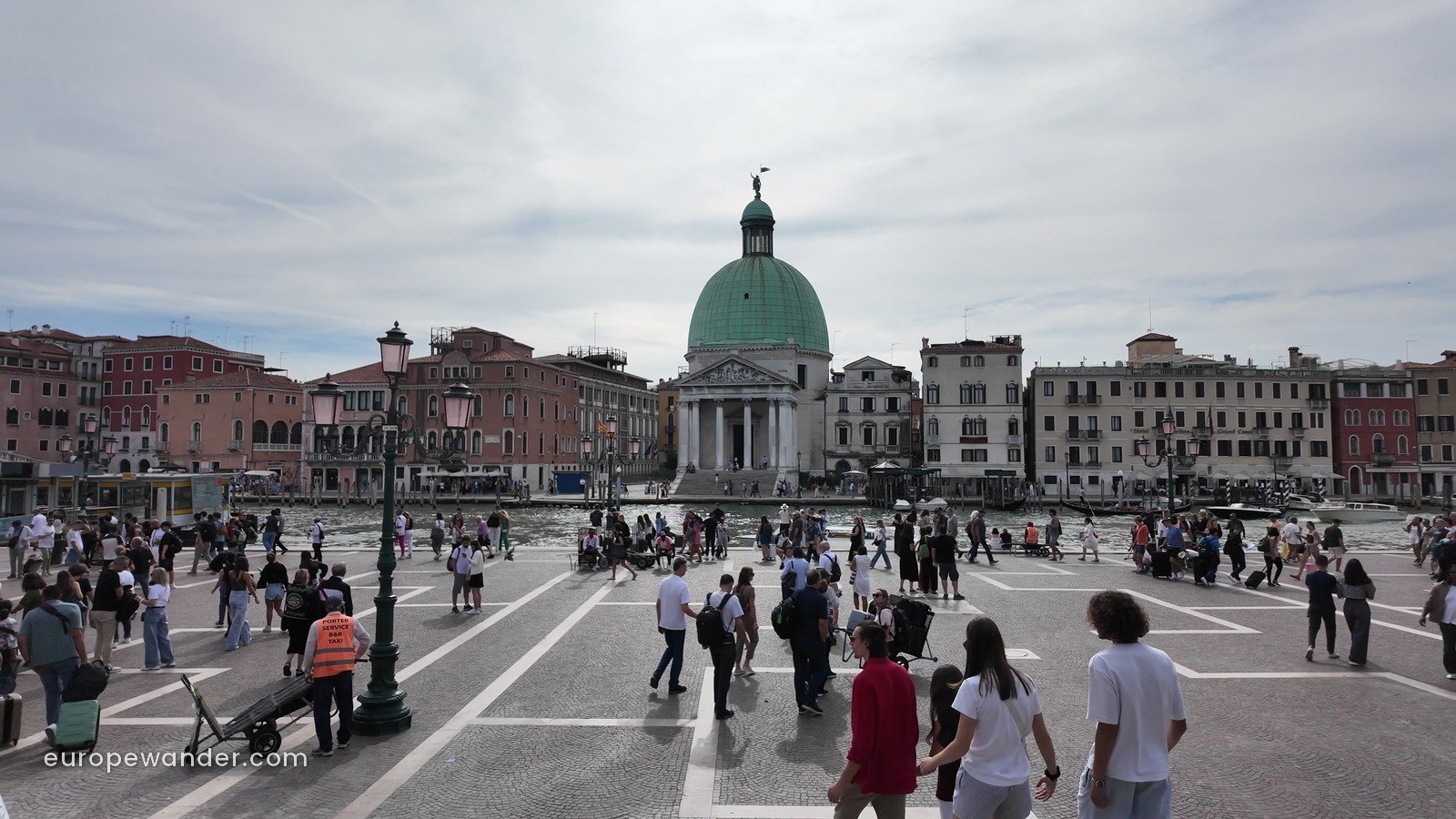
Venice sits in a lagoon in north-east Italy, its main island split by canals into 118 smaller islands linked by more than four hundred bridges, with 177 waterways running between them. During the medieval and Renaissance periods the Venetian Republic was a centre of finance, trade, shipping and art, and it built accordingly — the palaces lining the Grand Canal are the receipts. Venice and its lagoon have been a UNESCO World Heritage Site since 1987.
How long to stay
Two days and two nights is the sweet spot: one day for the main island, one for the coloured houses of Burano and the glass furnaces of Murano.
Where to sleep: island or mainland?
No cars run on the main island, and space is tight, so island hotels are often smaller and more basic than their price suggests. On the other hand, Venice after the day-trippers leave is a completely different city. Three approaches:
- Mainland — around Mestre station. Ten minutes to the island, cheaper rooms, better facilities.
- Island, prioritising logistics — near Venezia Santa Lucia station, so you're not dragging luggage over bridges.
- Island, prioritising the view — around St Mark's Square, where you can also book a private water taxi straight from the airport.
Venice hotels, island and mainland
Booking · from from €130
This is an affiliate link — we may earn a commission at no extra cost to you.
Getting there
Venice has two airports: Marco Polo (VCE), the main one, and Treviso (TSF), used by some low-cost carriers.
By train, the station on the island is Venezia Santa Lucia; the mainland station is Venezia Mestre. Useful journey times: Milan 2.5 hrs, Florence 2.5 hrs, Rome 4 hrs.
Getting around: the vaporetto
There are no cars on the main island. The vaporetto (water bus), run by ACTV, connects everything including the outer islands. Single €9.50 (valid 75 minutes with transfers); 24-hour €25; 48-hour €35; 72-hour €45.
The 48-hour ticket is usually the best value — day one for the Grand Canal, day two for Burano and Murano. Travellers aged 6–29 can get a discounted three-day ticket for €33.
Two-day itinerary
Day 1 · Main island. Ride the vaporetto down the Grand Canal (about half an hour from the station to the Accademia Bridge). Take the postcard shot from the bridge, then St Mark's Square for the basilica, the campanile and the Doge's Palace. A gondola in the evening, if you're going to do it at all.
Day 2 · The islands. Murano for glass, Burano for the painted houses. Budget 1–2 hours per island, and 5–6 hours in total once you include the boat time.
The day-tripper access fee
Since 2024 Venice has charged an access fee to day visitors arriving on selected peak dates. Paying early is cheaper: €5 if you pay more than four days ahead, €10 within four days or on the day. If you're staying overnight on the island you're exempt; if you're staying on the mainland and coming over, you pay.
In 2026 the charging days fall mostly on weekends between April and July. Check the official payment site for the exact dates before you travel.
Where next
Verona is 1.5 hours by train and works as a day trip. The Dolomites are the other obvious extension, though they really want a car.
Back to the Italy travel guide for the bigger picture.