

🇬🇧UK Travel Guide 2026: The ETA, Train Ticket Pricing, and How to Route London Plus Beyond
Britain is not in Schengen, so the entry rules and the 90-day clock are entirely separate. The £20 ETA, why the same train can cost £25 or £90, whether a Railcard pays for itself, and how to build a 7, 10 or 14-day route.
2026-08-13
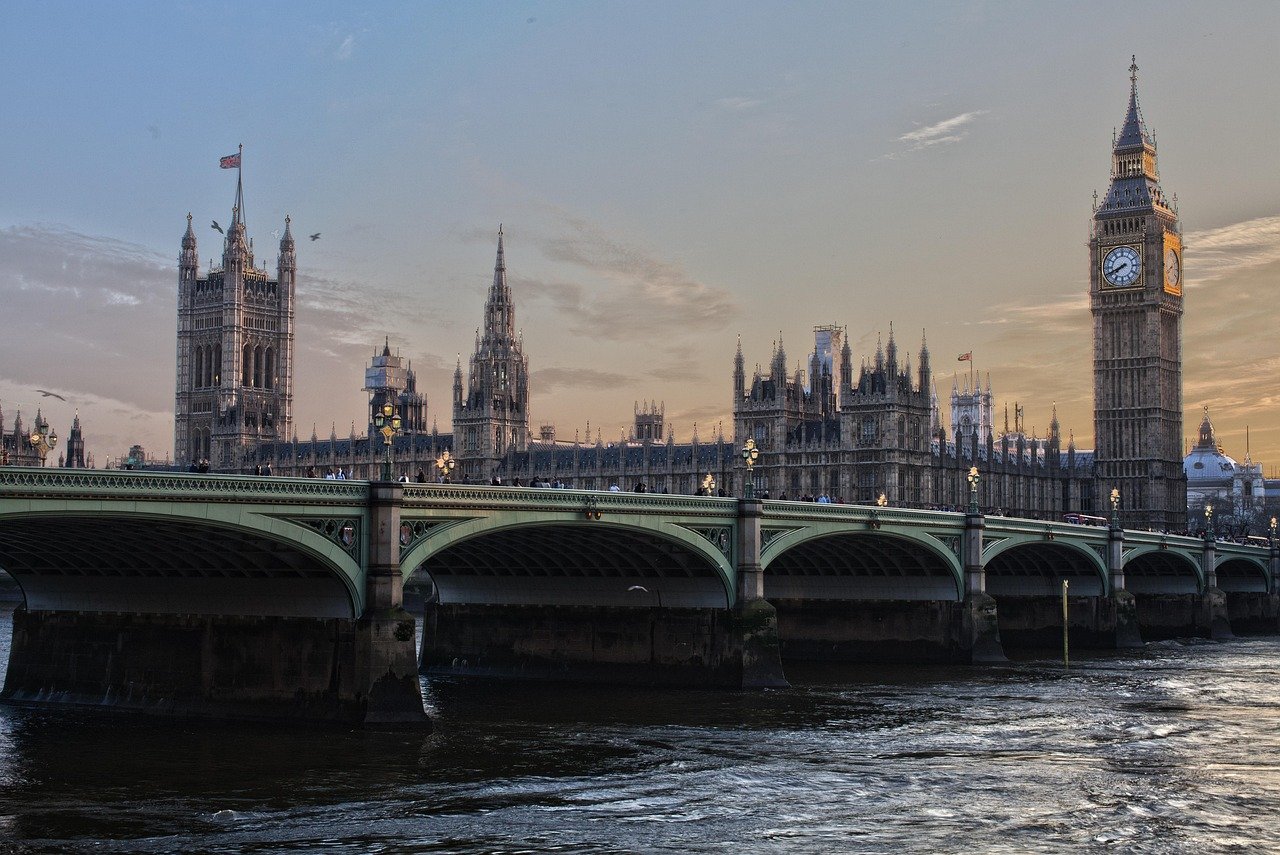
The United Kingdom is England, Scotland, Wales and Northern Ireland. The single most important thing for a traveller to know: the UK is not in the Schengen Area. Entry is a separate system, and days spent here do not count against the Schengen 90/180 allowance.
Entry: the ETA
If you hold a US, Canadian, Australian, EU, Japanese, South Korean, Hong Kong SAR or Taiwan passport — or any other visa-exempt nationality — you do not need a visa, but you do need an ETA (Electronic Travel Authorisation).
- £20 as of 8 April 2026
- Valid for 2 years or until your passport expires, whichever comes first
- Multiple entries during that period, up to 6 months per stay
- Apply on the official gov.uk site or the official UK ETA app. Most approvals come through in minutes to a few days.
Use only gov.uk or the official app. Third-party sites charge a markup for the same form.
If you hold a passport from a visa-national country (China, India, and many others), the ETA does not apply to you — you need a Standard Visitor visa (£135) for every trip, applied for online with a biometrics appointment, typically around three weeks to process.
Ireland is a separate country, not part of the UK. The Common Travel Area affects how the two connect, but the exact rules depend on your nationality — check separately if your trip spans both.
How many days, and how to route them
7 days: London 4 days, plus two day trips from Bath, Oxford or Cambridge.
10 days: London 4 days + the Cotswolds 2 days + Edinburgh 3 days. London to Edinburgh is about 4.5 hours by train, or 1.5 hours flying.
14 days: add the Lake District (2 days) and York (1 day), or head southwest to Cornwall.
Only 3-4 days: give all of it to London and don't rush. The museum density alone will fill four days.

London
The free museums are the city's most underrated asset. The British Museum, the National Gallery, the Natural History Museum, the V&A and Tate Modern all have free permanent collections (special exhibitions charge separately). No other major European capital offers this.
What you do pay for: the Tower of London (around £35), Westminster Abbey, St Paul's Cathedral, the London Eye, and Buckingham Palace (State Rooms, summer only).
Free but worth scheduling around: the Changing of the Guard at Buckingham Palace (check whether it's happening that day — it isn't daily), Greenwich and the Prime Meridian, and the royal parks.
Is the London Pass worth it? If your itinerary is mostly free museums, no. If you're doing two or three paid sights in a single day — Tower plus Westminster plus St Paul's, that kind of intensity — it can pay off. Add up the face value of what you actually want to see before you buy.
London attraction tickets
GetYourGuide · from From £30
Tower of London, the Eye and Westminster Abbey all bookable ahead — queues are long in summer
This is an affiliate link — we may earn a commission at no extra cost to you.
UK train tickets: the same seat can cost three times more
This is the one piece of UK trip admin genuinely worth an hour of your time.
Why the spread is so wide: British rail fares are dynamically priced by time and demand. The same train, booked 8-12 weeks out as an Advance ticket, might be £25. Bought on the day as an Anytime ticket, it can be £90.
The three fare types:
- Advance — cheapest, but tied to one specific train. Non-refundable, or changeable only for a fee. If you're booking ahead, this is what you want.
- Off-Peak — avoids weekday rush hours, mid-priced, valid on any train that day within the restrictions.
- Anytime — most expensive, any train, no restrictions. Only worth it if your plans are genuinely unsettled.
Is a Railcard worth it? £30 a year for roughly 1/3 off most fares. If you're taking two or three intercity journeys, it has already paid for itself. Common types: 16-25 (students and young adults), 26-30, Two Together (two named people travelling together), Family & Friends, and Senior (60+). Enter the card number when booking.
BritRail Pass is sold to overseas visitors and makes sense for a fortnight of heavy rail travel. For a simple London-plus-two-cities trip, individual Advance tickets are usually cheaper.
Getting around London
Do not buy paper single tickets. A single Tube journey on a paper ticket is £6.70; the same journey tapping a contactless card or phone is around £2.80.
Just tap a contactless bank card or phone (Apple Pay / Google Pay). The system applies daily and weekly caps automatically, so you get the equivalent of a day or week pass without having to work anything out in advance. There is no longer any reason to buy an Oyster card unless you need child fares or a specific concession.
One rule that catches people out: tap in and out with the same card or device. Forgetting to tap out charges you the maximum fare.
Money and practicalities
Currency: pounds sterling (£), not euros. Card acceptance is near universal in London and many small shops no longer take cash at all.
Plugs: the UK uses Type G three-pin plugs, which are not compatible with the two-round-pin sockets used across continental Europe. If you're arriving from France or Italy, bring a separate adapter.
Tipping: restaurant bills often already include a 12.5% service charge — if it's on the bill, you don't add more. If it isn't, around 10% is normal. No tipping when ordering at a pub bar.
Weather: rain is possible in any season, but it's usually intermittent drizzle rather than downpours. A waterproof jacket beats an umbrella. June to August is the most comfortable, with daylight until nine or ten at night; in winter it's dark by four in the afternoon.
Safety: the UK is broadly safe. The main risks are pickpocketing in tourist areas and on the Tube, and phone snatching by moped riders in parts of London — don't stand at the kerb holding your phone out.
London hotels
Booking · from From £120
Zone 1-2 near a Tube station saves the most time; King's Cross and Paddington are handy for onward trips
This is an affiliate link — we may earn a commission at no extra cost to you.
FAQ
I have a Schengen visa — can I add the UK to my trip?
No. The UK is not a Schengen member and the two systems are completely separate. A trip covering both France and Britain requires clearance for each.
Do UK days count towards the Schengen 90 days?
No. The two allowances are independent, which is good news if you travel to Europe several times a year — time in Britain doesn't eat into your Schengen budget.
How do I get from London to Paris?
Eurostar from St Pancras to Paris Gare du Nord takes about 2 hours 20 minutes, which is faster than flying once you count airport time. Make sure your Schengen entry status is sorted — border checks happen in London before you board.
Does the UK have high-speed rail?
There are fast intercity services but not a high-speed network in the East Asian sense. London to Edinburgh is about 4.5 hours, Manchester about 2 hours, Bath about 1.5 hours.
What about driving?
Britain drives on the left, with the wheel on the right. Central London has both a Congestion Charge and the ULEZ emissions charge, so driving in the city isn't worth it. Rural areas — the Cotswolds, the Lake District, the Scottish Highlands — are excellent by car and awkward by public transport.
Compiled from UK government sources and public information. Fees and policies change; check gov.uk for the current position before you apply.