

🇮🇹Rome Travel Guide: A Classic Three-Day Itinerary for the Eternal City
A three-day Rome itinerary that groups the sights by neighbourhood, which tickets genuinely need booking in advance, where to stay, and how to get in from both airports.
2026-08-13
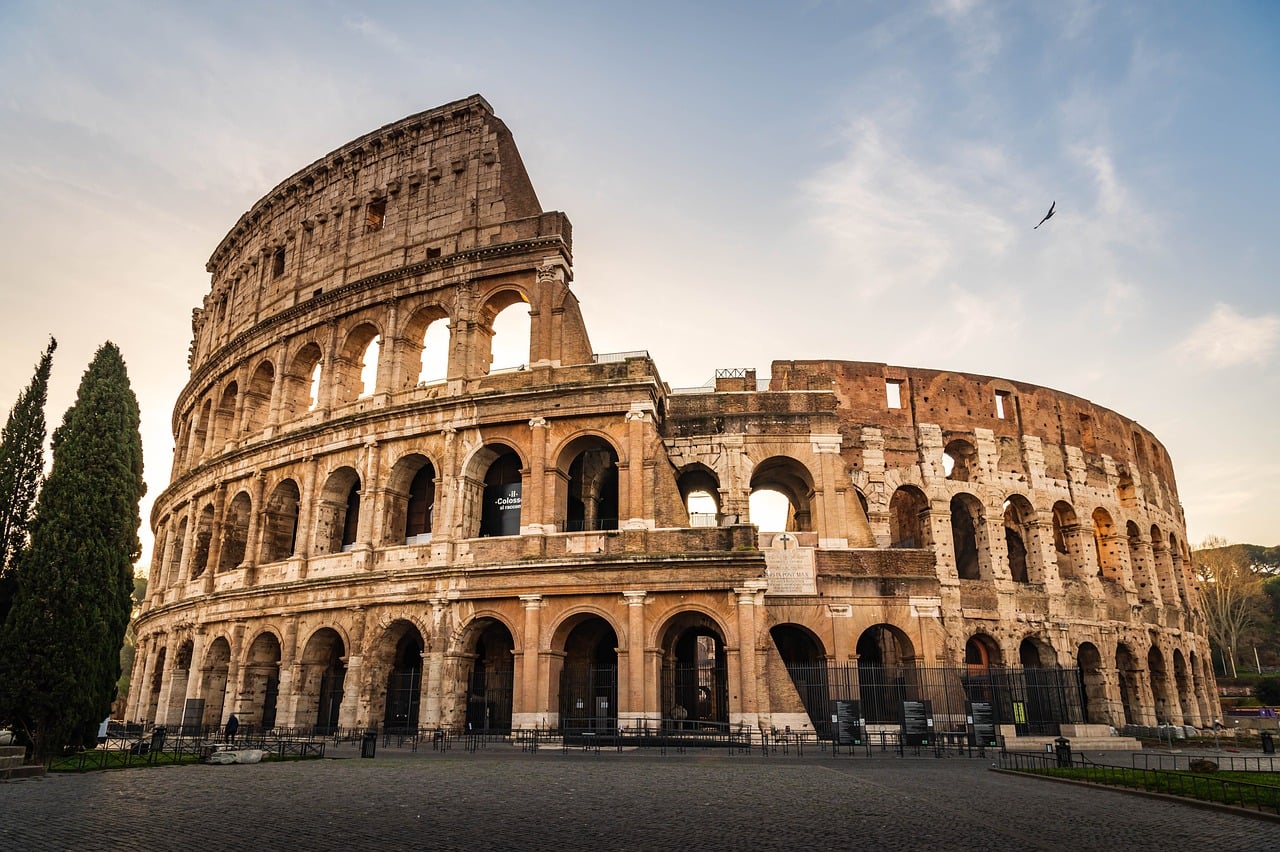
Rome has been continuously inhabited for over 2,700 years, and it shows: the city is where ancient Roman civilisation began, one of the two centres of the Renaissance alongside Florence, and — via Vatican City — the seat of the Catholic Church. Those three layers stacked on top of each other are what make Rome so absorbing, and also why you shouldn't try to rush it.
How long to stay
Three days covers the major sights. A week lets you slow down, eat properly and wander the neighbourhoods rather than sprinting between monuments.
Tickets: what to book, and what it costs
Booking platforms add a service fee on most Rome attractions. The prices below include it.
- Colosseum — €20 for the combined ticket (includes the Roman Forum and Palatine Hill). Timed entry is mandatory. See the Colosseum guide.
- Roman Forum + Palatine Hill — same combined ticket as the Colosseum.
- Vatican Museums — €25. Closed Sundays, except the last Sunday of each month when entry is free. Book ahead — see the Vatican Museums guide.
- St Peter's Basilica — free to enter; the audio-guide ticket is €7. Reserve a slot to skip the security queue.
- Castel Sant'Angelo — €16. Honestly, the exterior and the bridge are the best part.
- Pantheon — €5.
- Piazza Navona — free, and best at night.
- Borghese Gallery — €18. Timed entry mandatory, closed Mondays.
The three-day itinerary
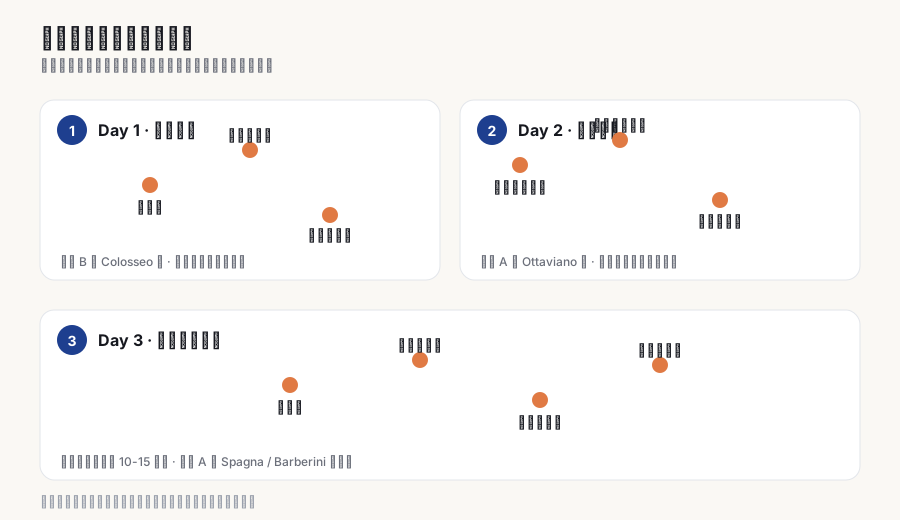
Day 1 · Ancient Rome. Colosseum in the morning, Roman Forum and Palatine Hill in the afternoon, then walk over to the Bocca della Verità for the obligatory photo.
Day 2 · Vatican. Vatican Museums in the morning (first entry slot if you can face it), St Peter's Basilica in the afternoon, Castel Sant'Angelo and the bridge at golden hour.
Day 3 · Historic centre. Walk the Spanish Steps → Trevi Fountain → Pantheon → Piazza Navona in the morning, Borghese Gallery in the afternoon.
Colosseum + Roman Forum + Palatine Hill combined ticket
GetYourGuide · from from €20
Book well ahead in high season; the audio-guide versions are worth the small premium
This is an affiliate link — we may earn a commission at no extra cost to you.
Where to stay
Near Roma Termini — the best-connected option: both metro lines meet here and the airport trains and coaches terminate here. The immediate surroundings are scruffier than the rest of the centre.
Near Piazza di Spagna — smart, safe, walkable to the historic centre, and priced accordingly.
North-east of the Vatican — quieter and better value, still well connected.
North of the Colosseum (Monti) — the most atmospheric of the four, safe, and a short walk from the ancient sites.
Full breakdown in Where to stay in Rome.
Getting in from the airports
Rome has two: Fiumicino (FCO), the main international airport, with the Leonardo Express running to Termini in 32 minutes, and Ciampino (CIA), used mostly by low-cost carriers, served by shuttle buses.
Getting around the city
Metro plus walking covers about 90% of what you'll want to see. Tickets are interchangeable across metro, bus and tram: single €1.50 (valid 100 minutes, transfers included), 24-hour €8.50, 48-hour €15, 72-hour €22.
Is the Roma Pass worth it?
The Roma Pass bundles attraction entry with a transport pass, in 48-hour (€38) and 72-hour (€62.90) versions. Recent price rises have eroded the value — do the arithmetic against your actual itinerary before buying.
Planning the rest of the country? Start with the Italy travel guide.