

🇫🇷Fontainebleau Guide 2026: The Quieter French Royal Palace
A hunting palace used from the 12th century through to Napoleon. What to see in the François I Gallery, Napoleon's apartments and the Chinese Museum, how to get there by train and bus, and how it compares with Versailles.
2026-08-22
Fontainebleau is one of the largest royal palaces in France and has been a royal hunting residence since the 12th century. Henri II, Henri IV, Louis XIV, Louis XV, Louis XVI and Napoleon all lived here at some point.
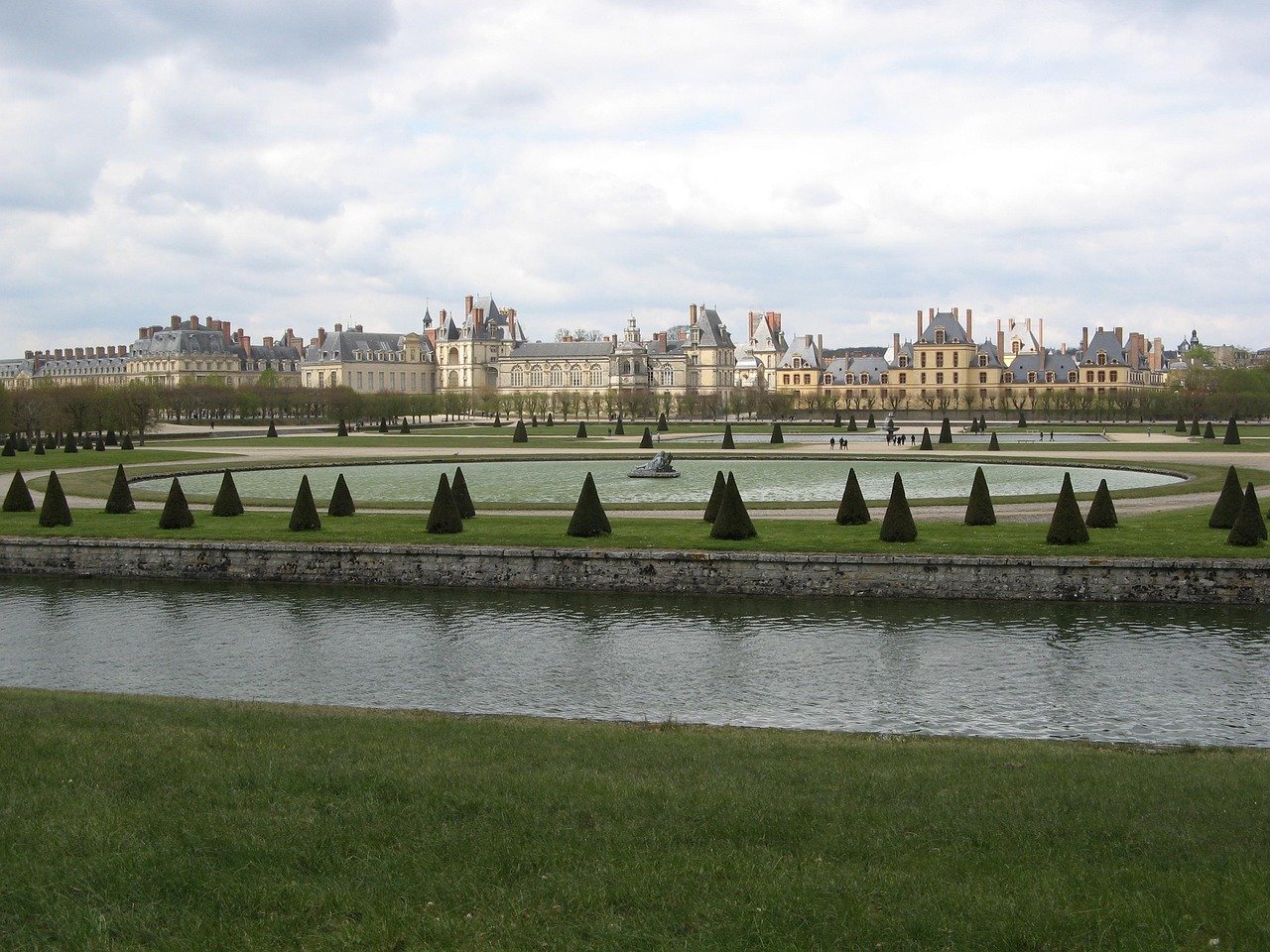
Set against Versailles the difference in character is obvious: Versailles is grander and louder; Fontainebleau is finer-grained and more restrained. You can do both, or pick one — and if time is short, Versailles is the safer choice for a first visit.
Visitor information
Price: €17 adult, audio guide €4. Free under 18 and for EU residents aged 18–25, including students on a residence permit. Free on the first Sunday of the month, except in July and August.
Hours: October–March 9:30–17:00 (last entry 16:15); April–September 9:30–18:00 (last entry 17:15).
Closed: Tuesdays, 1 January, 1 May and 25 December.
Time needed: at least half a day — roughly two hours of travel plus two to three inside.
Included in the Paris Museum Pass, with no reservation required.
Getting there
Fontainebleau is about 57 km south-east of Paris.
Step one — train: from Paris Gare de Lyon to Fontainebleau-Avon, about 40 minutes. Take the pink line R towards Montargis. Single fare €2.55.
Step two — bus: outside Fontainebleau-Avon take bus 1 towards Les Lilas and get off at Château, right at the palace gates. About 15 minutes, €2.05.
If you hold a Navigo day or weekly pass, both legs are covered — just tap. See the Paris metro guide for which pass makes sense.
Hotels in Fontainebleau town
Booking · from from €110
Most visitors do it as a day trip from Paris; staying over suits drivers, or anyone who wants the grounds early
This is an affiliate link — we may earn a commission at no extra cost to you.
What to see inside
Following the audio guide through the main rooms takes about two and a half to three hours.
The Grand Apartments are the core of the visit:
- The François I Gallery — one of the earliest and finest Renaissance interiors in France, begun in 1528.
- The Ballroom — 30 m long, dating from the mid-16th century.
- Napoleon's Throne Room — originally the king's bedchamber, slept in by generations of monarchs, converted by Napoleon in 1808 to hold his throne.
- The Diana Gallery — 80 m long, built under Henri IV as a place for the queen to walk, with ceiling paintings telling the story of Diana the huntress. It fell derelict in the early 19th century; Napoleon had it redecorated in 1810 around the major events of his own reign.
Napoleon's private apartments are the six smaller rooms he chose for himself in 1804; the bedroom is the one to see.
The Chinese Museum — assembled by the Empress Eugénie — holds Ming and Qing pieces that left China after the sacking of the Old Summer Palace. It's an unusual and rather uncomfortable part of the visit.
The Chapel of the Trinity hosted the wedding of Louis XV and the baptism of Napoleon III.
The Napoleon I Museum, opened in 1986, shows portraits of Napoleon and his family, medals, clothing, imperial porcelain, and the tent he used on campaign.
The gardens and park (free)
The Diana Garden — laid out under Henri IV, built around a statue of the huntress with four hounds at her feet.
The Grand Parterre — a 17th-century French formal garden.
The English Garden and the carp pond.
The Grand Canal — 1.2 km long, and a good spot for a picnic.
FAQ
Fontainebleau or Versailles, if I can only do one?
Versailles suits a first visit and anyone who wants sheer spectacle. Fontainebleau suits visitors who like historical detail and would rather not queue — and it's much richer on Napoleon.
Do I need the audio guide?
Not strictly, but the rooms carry a lot of history that isn't labelled. At €4 it makes the visit considerably more coherent.
Back to the Paris travel guide to see where a day trip fits.