

🇫🇷Is Paris Safe? A Practical Guide to Pickpockets, Common Scams, and What to Do If You're Robbed
Which metro lines and sights see the most pickpocketing in Paris? How do you spot the common scams before they happen? And what's the actual process if you do get robbed? Here's the practical version.
2026-08-09
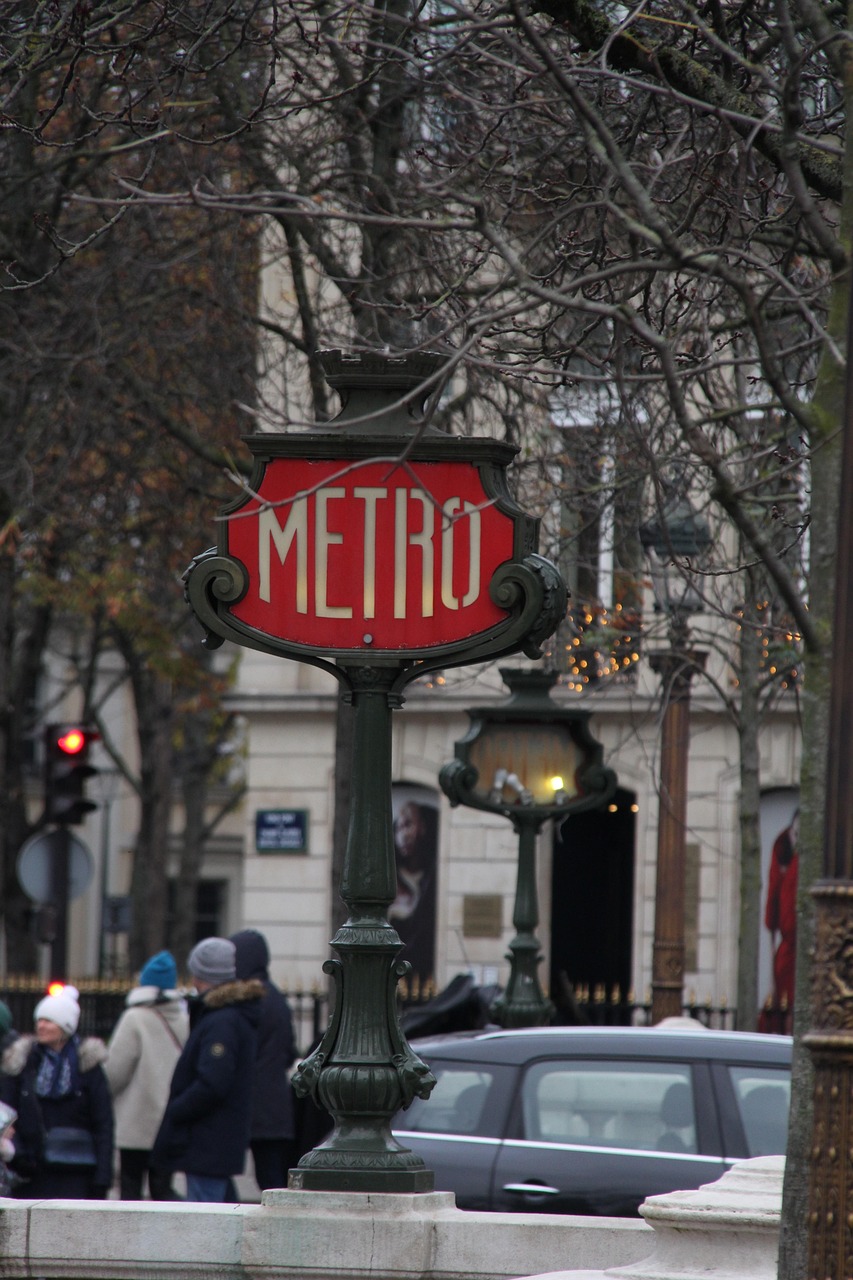
Paris has a genuine, well-documented pickpocketing problem — local police and media flag it to visitors every year. Violent crime against tourists is rare; the real risk is theft, usually opportunistic, in crowded spots. Knowing the hot spots and the common scripts cuts your risk dramatically. Here's where it happens, how the scams work, what gear actually helps, and what to do if it happens anyway.
Where to be extra careful
Metro Line 1: Runs through the Louvre, Concorde, the Champs-Élysées, and the Arc de Triomphe — the highest tourist density of any line, and the one with the most reported pickpocketing. The moment right before the doors close is a classic window: groups work the crowd as it surges, then hop off before anyone notices.
Metro Line 4 and RER B: The RER B connects CDG airport to the city center, and travelers wrestling luggage while jet-lagged are an easy target. Line 4 runs through high-traffic interchange stations like Châtelet and Saint-Michel and sees similar activity.
Around the Eiffel Tower: Security-line waits and photo-taking are prime distraction moments. The lawn area beneath the tower also draws unlicensed vendors and petition scams (more below).
Montmartre / the Sacré-Cœur steps: Ground zero for the "friendship bracelet" scam (below). The steps themselves are crowded and the sightlines up and down are limited.
Around the Louvre and Galeries Lafayette: Queuing areas outside malls and museums, where shopping bags and phones-out-for-photos make for easy pickings.
The common scams
The bracelet/string scam: Mostly around the Montmartre steps. Someone starts wrapping a string or bracelet around your finger unprompted, using the act itself to create a sense that "the service has already started," then demands an aggressive fee — sometimes with accomplices nearby applying pressure. Pull your hand back and walk away immediately; don't stop to engage.
The petition scam: Someone approaches with a clipboard asking you to sign a petition for a cause. While you're distracted signing or reaching for your bag, an accomplice moves in from behind or the side. Keep your distance and wave off anyone approaching with a clipboard.
Fake plainclothes police: Someone flashes a fake badge and asks to "check" your passport and wallet, using the moment to go through or swap your belongings. Real police don't ask to inspect your cash on the street. Ask for a badge number and offer to go to the nearest station, or call 17 (the French police non-emergency/emergency line) on the spot.
The "helpful stranger" at the metro: Someone offers to help you operate the ticket machine or the turnstile, using the moment to steal something set down nearby or watch you enter a card PIN. Handle machines and cards yourself, and politely decline unsolicited "help."
Distraction teams: A common setup is one person bumping into you, dropping something, asking for directions, or asking you to take their photo, while a partner works you from the other side. General wariness around sudden physical contact or unsolicited approaches from strangers is enough.
Protecting your belongings
- Wear your bag in front or cross-body, with a secure/lockable zipper. In lines and on the metro, keep it where you can see and feel it.
- Split up your valuables. Don't keep your passport, backup cards, and most of your cash in one bag — a photocopy of your passport in your hotel safe, with just a photo of it on your phone, works well.
- Keep your phone out of an outer jacket pocket or back pants pocket. Put it away right after a photo instead of holding it while you look around.
- Stay alert in crowded metro cars and at elevator doors, especially in the few seconds before the doors close.
- Consider an anti-theft bag with slash-resistant mesh lining, an RFID-blocking card wallet (to prevent contactless card skimming), or a money belt for your passport and larger cash — all easy to find on major travel retail sites.
Anti-theft bag / RFID-blocking wallet
Amazon · from from $12
Lockable anti-theft bags, money belts, and RFID wallets — worth ordering before you leave
As an Amazon Associate we earn from qualifying purchases.
If you do get robbed
- Freeze your cards immediately — call the number on the back of the card or freeze it through your banking app.
- File a police report: Head to the nearest police station (Commissariat) to file one; they'll issue a Récépissé de déclaration de vol, which you'll need for insurance claims and passport replacement. You can also file online for some theft categories through the French government's service-public.fr.
- Lost passport: Contact your country's embassy or consulate in France to report it and arrange a replacement or emergency travel document. Carrying a photocopy — or even just a photo on your phone — speeds this up considerably.
- Contact your travel insurer, if you have coverage. The police report is typically required for any claim, so get in touch as soon as you have it.
- Emergency numbers in France: Police 17, medical emergency 15, EU-wide emergency line 112 (English supported).
FAQ
Is Paris safe at night? Main tourist areas and the metro corridors stay busy well into the evening, and overall risk is manageable — just avoid empty side streets, and take a licensed taxi or rideshare late at night rather than walking alone.
Do I need to watch my suitcase constantly? It's a good habit, especially at train stations and airport halls while waiting — keep it within sight or physical contact rather than stepping away.
Are these scams unique to Paris? No — variations of the bracelet and petition scams show up in tourist hubs across Europe. The same baseline awareness works for your whole trip, no need to be on edge specifically because you're in Paris.
Planning the rest of your Paris trip? See the Louvre guide and the Paris Museum Pass guide.